

Music Business
Best AirGigs Alternatives for Independent Artists and Producers
Compare the best AirGigs alternatives for hiring music producers, engineers, vocalists, session musicians, booking studio time, and managing remote music projects.
AudToro Team · Jul 23, 2026 · 20 min read
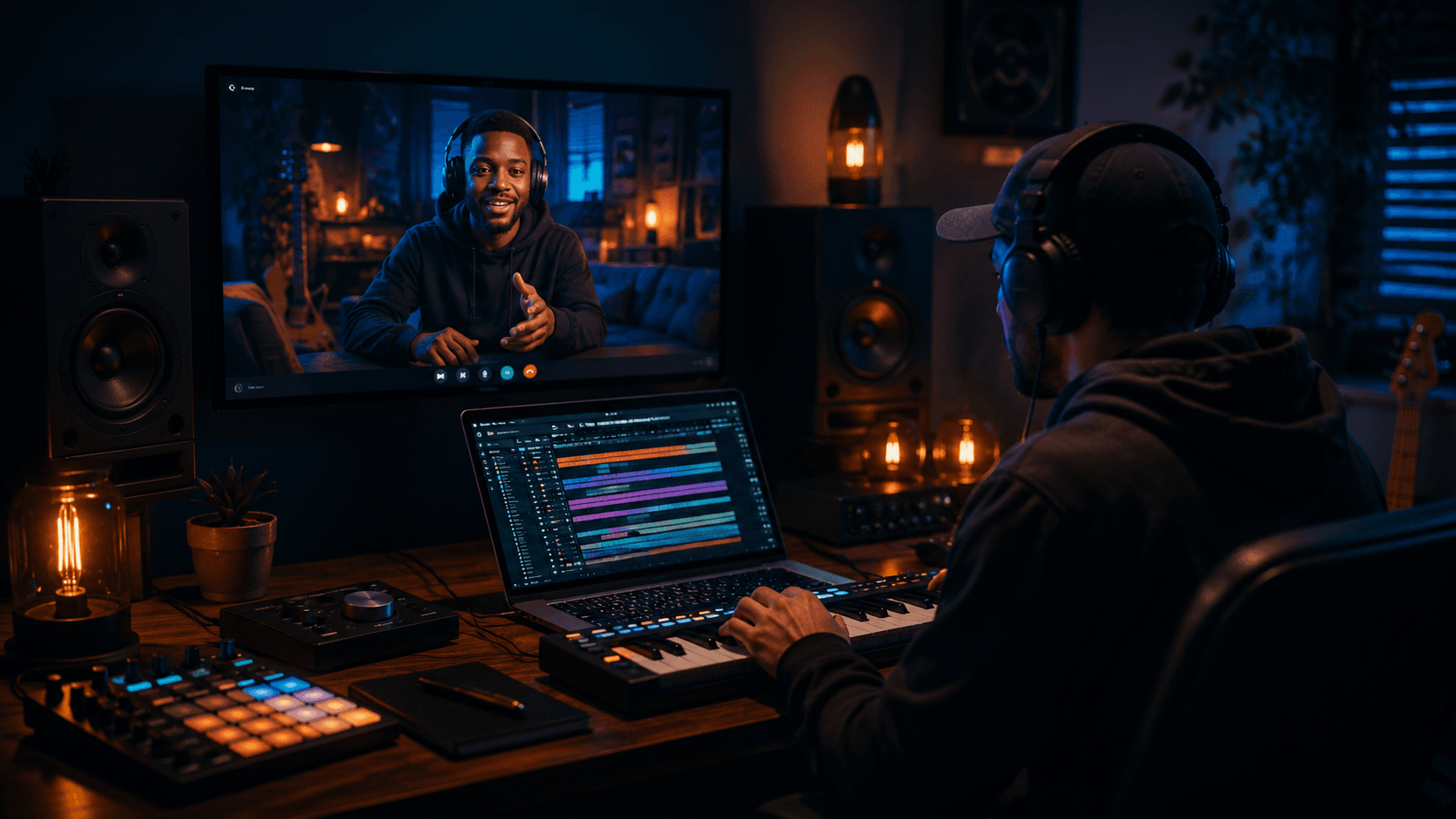
AirGigs is one of several online platforms artists can use to hire music producers, vocalists, engineers, session musicians, and other music professionals.
For independent artists, platforms like AirGigs can make remote collaboration easier. Instead of working only with people in your city, you can search for specialists, listen to work samples, compare services, and hire someone to contribute to your song from another location.
However, AirGigs may not be the best fit for every artist or producer.
Some artists want a more local experience where they can find producers and book in-person studio sessions. Some need a broader freelance marketplace with lower-cost options. Others mainly need beats, mixing, mastering, session musicians, or full song production.
Producers may also want different things from a marketplace. Some want remote jobs. Some want local bookings. Some need a professional producer page. Others want a system for managing files, deliverables, approvals, and repeat clients.
The right AirGigs alternative depends on what you are trying to accomplish.
This guide compares the main types of AirGigs alternatives, including SoundBetter, Fiverr, Upwork, BeatStars, direct producer websites, social media, and AudToro. It also explains what artists and producers should evaluate before choosing a platform.
What Is AirGigs Used For?
AirGigs is an online marketplace focused on remote music services.
Artists and music creators may use platforms like AirGigs to hire:
- Music producers
- Mixing engineers
- Mastering engineers
- Vocalists
- Session musicians
- Songwriters
- Recording engineers
- Beat makers
- Composers
- Vocal producers
- Audio editors
Instead of requiring everyone to meet in the same studio, the artist can send project details and files to the provider.
A typical remote project may involve:
- Choosing a music professional
- Reviewing their samples and service details
- Sending a project description
- Paying or confirming the order
- Uploading reference tracks and files
- Receiving a draft
- Requesting included revisions
- Receiving final deliverables
This can work well when the artist already understands what service they need.
For example, an artist who has recorded vocals may hire someone to mix the song. A songwriter may hire a singer to record a demo. A producer may hire a session guitarist or drummer.
The main limitation is that not every artist wants a remote-only or service-listing experience. Some need local studio time, more project organization, or a stronger connection with an independent producer.
Why Artists Look for AirGigs Alternatives
Artists may compare alternatives for several reasons.
They want local studio sessions
Remote services work well for mixing, mastering, beats, and session contributions. However, an artist who needs to record vocals may want to find a producer or studio nearby.
A local platform or marketplace may be more useful when the artist needs:
- Studio access
- A vocal booth
- In-person recording
- Vocal coaching
- Live creative direction
- A long-term local producer relationship
They want a wider range of prices
Different platforms attract different types of providers.
Some focus on established professionals. Others have a wider range of freelancers, beginners, specialists, and price points.
An artist with a limited budget may want to compare more options before choosing.
The cheapest service is not always the best, but pricing flexibility can matter to an independent artist.
They need a specific type of professional
An artist may need more than a general music producer.
They may need:
- A female vocalist
- A country guitarist
- A gospel singer
- A metal drummer
- A vocal tuning specialist
- A mastering engineer
- A custom beat maker
- A live string player
- A songwriter
- A local recording engineer
Some platforms are better for broad music talent, while others specialize in production, freelancing, beats, or studios.
They want a more organized workflow
Remote music projects can become difficult when information is spread across several tools.
The artist may have:
- Messages in social media DMs
- Files in Google Drive
- Payment through another app
- Revision notes in email
- Final files in a download link
- Scheduling details in text messages
A platform with messaging, project details, file uploads, deliverables, and approvals in one place can reduce confusion.
They want to build a long-term producer relationship
Some platforms are designed around completing individual services.
That can work well for a single mix, guitar recording, or vocal track. But some artists want a producer who can help with multiple songs, ongoing releases, artist development, or a full project.
In that situation, the artist should look beyond a single service listing and consider:
- Communication style
- Genre fit
- Creative direction
- Availability
- Project workflow
- Repeat booking options
- Local and remote flexibility
Best AirGigs Alternatives
The best alternative depends on whether you need remote talent, a producer, a beat, a freelancer, a studio, or a complete music workflow.
The main options include:
- SoundBetter
- Fiverr
- Upwork
- BeatStars
- Direct producer websites
- Social media and music communities
- Local recording studios
- AudToro
1. SoundBetter
SoundBetter is one of the most recognizable music-specific alternatives to AirGigs.
Artists can use it to search for music professionals such as:
- Producers
- Mixing engineers
- Mastering engineers
- Singers
- Songwriters
- Session musicians
- Beat makers
SoundBetter may be a strong option for artists who want to compare remote professionals based on factors such as genre, credits, samples, reviews, and service focus.
SoundBetter may be best for:
- Remote song production
- Mixing and mastering
- Professional vocalists
- Session musicians
- Songwriting
- Established industry professionals
- Artists who want to compare portfolios
Advantages
- Focused specifically on music
- Large selection of creative professionals
- Audio samples
- Provider profiles
- Genre-based discovery
- Access to specialists
- Options for complete song production
Possible limitations
- Some highly experienced professionals may be outside a beginner artist’s budget
- The number of choices can feel overwhelming
- Local studio-session discovery may not be the main reason people use it
- The workflow depends heavily on the individual provider and service
SoundBetter vs AirGigs
Both platforms focus on remote music talent.
SoundBetter may appeal to artists looking for established producers, engineers, vocalists, and musicians with detailed portfolios or recognizable credits.
AirGigs may appeal to creators looking for packaged music services and remote contributions across a range of categories.
The better choice depends on the provider, project, budget, and workflow—not only the platform name.
2. Fiverr Music & Audio
Fiverr is a large freelance marketplace with a Music & Audio category.
Artists can find services such as:
- Music production
- Beat making
- Songwriting
- Mixing
- Mastering
- Vocal tuning
- Audio editing
- Session musicians
- Singers
- Composers
- Sound design
Fiverr is not exclusively a music platform. Music is one category within a much larger freelance marketplace.
Fiverr may be best for:
- Clearly defined music tasks
- Artists comparing a broad price range
- Quick remote services
- Vocal editing
- Beat production
- Mixing and mastering
- Short custom audio projects
Advantages
- Large selection of providers
- Wide range of prices
- Packaged services
- Defined delivery times
- Reviews and seller history
- Many specialized audio categories
Possible limitations
- Quality can vary significantly
- Music is not the platform’s only focus
- Some services may be highly standardized
- Artists may need to review many listings
- It may be harder to build a long-term creative relationship
- The lowest-cost service may not include the detail or collaboration an artist expects
Fiverr vs AirGigs
Fiverr may provide more providers and a broader price range.
AirGigs provides a more music-specific environment where creators are already looking for producers, engineers, vocalists, and musicians.
Fiverr may work well for one clearly defined task. AirGigs may feel more focused for music collaboration.
Artists should compare the actual provider’s samples, revisions, turnaround time, and deliverables instead of choosing only by platform.
3. Upwork
Upwork is another general freelance marketplace where artists can post projects or hire professionals.
Music-related providers may include:
- Music producers
- Audio engineers
- Composers
- Sound designers
- Podcast editors
- Mixing engineers
- Music editors
- Songwriters
Unlike a simple service marketplace, Upwork may be useful for custom projects, hourly arrangements, and longer-term working relationships.
Upwork may be best for:
- Custom music projects
- Long-term production support
- Ongoing audio work
- Detailed job postings
- Artists who want to evaluate proposals
- Businesses hiring composers or audio professionals
Advantages
- Custom project descriptions
- Hourly and project-based arrangements
- Ability to review proposals
- Broad freelance talent pool
- Potential for ongoing contracts
- Useful for nontraditional audio projects
Possible limitations
- Music is not the platform’s main focus
- Artists need to write clear job descriptions
- Comparing proposals takes time
- Providers may have different levels of music-industry experience
- It may not provide a music-specific studio or artist workflow
Upwork vs AirGigs
AirGigs is more focused on music-service listings and remote collaboration.
Upwork may be better when the project requires a custom agreement, longer-term work, or ongoing freelance support.
For a single mix, vocal recording, or session-musician contribution, AirGigs may feel more direct. For a multi-week production arrangement or recurring audio work, Upwork may offer more flexibility.
4. BeatStars
BeatStars is primarily associated with buying, licensing, and selling beats.
Artists may use it to search for instrumentals based on:
- Genre
- Mood
- Style
- Producer
- Tempo
- Similar artist
- License type
BeatStars serves a different purpose from AirGigs, but it can still be an alternative when the artist’s main goal is finding production.
BeatStars may be best for:
- Buying or leasing beats
- Comparing beat licenses
- Finding instrumentals quickly
- Discovering beat makers
- Purchasing trackouts
- Exploring production styles
- Building a catalog of potential beats
Advantages
- Large beat marketplace
- Easy audio previews
- Multiple license options
- Producer storefronts
- Search and discovery tools
- Fast access to instrumentals
Possible limitations
- Buying a beat is not the same as hiring a full music producer
- Recording is generally separate
- Mixing and mastering may not be included
- Artists must understand license terms
- A beat purchase may not include creative direction
- Artists may still need to hire an engineer or studio
BeatStars vs AirGigs
AirGigs is better suited to hiring people for music services.
BeatStars is primarily better suited to finding and licensing production.
An artist may use both. They may license a beat through BeatStars and then hire a vocalist, engineer, or mixing professional through another platform.
For artists who need a full creative relationship, beat marketplaces alone may not be enough.
5. Direct Producer Websites
Some producers have their own websites where artists can review:
- Services
- Audio samples
- Pricing
- Studio photos
- Booking availability
- Testimonials
- Contact information
- Remote work options
Hiring directly can work well when the artist already knows which producer they want.
Direct websites may be best for:
- Artists who already trust the producer
- Local studio sessions
- Repeat clients
- Producers with a clear professional brand
- Direct scheduling
- Long-term relationships
Advantages
- Direct communication
- Clear understanding of the producer’s brand
- Possible booking calendar
- Detailed service information
- Potential for a more personal relationship
Possible limitations
- Artists must discover the producer first
- Comparing providers requires visiting multiple sites
- Payment and cancellation rules vary
- There may be no shared marketplace workflow
- Reviews may be limited to what the producer chooses to display
- Project files may still be handled through outside tools
Direct producer websites vs AirGigs
A direct website may provide a stronger relationship with one specific producer.
AirGigs makes it easier to compare several remote music professionals in one place.
Use a direct website when you already know who you want. Use a marketplace when you are still comparing providers.
6. Social Media and Music Communities
Many artists find producers through:
- TikTok
- YouTube
- Facebook groups
- Discord
- Local music communities
- Artist referrals
Social media is a discovery channel rather than a complete booking platform.
Social media may be best for:
- Finding emerging producers
- Discovering local talent
- Watching behind-the-scenes content
- Building personal relationships
- Connecting through music communities
- Finding collaborators organically
Advantages
- Easy discovery
- Direct access to producers
- Informal communication
- Studio and production content
- Local networking
- Community-based recommendations
Possible limitations
- Pricing may be unclear
- Services may not be organized
- Important details can get lost in DMs
- Reviews can be difficult to verify
- Payments may happen through unrelated apps
- Files may be spread across multiple platforms
- There may be no approval or dispute workflow
Social media vs AirGigs
Social media can be better for discovering personality, style, and emerging local talent.
AirGigs provides a more structured marketplace for purchasing remote services.
A strong approach is to discover someone through social media but complete the work through a clear booking and project process.
7. Local Recording Studios
A local studio may be the best AirGigs alternative when you need to physically record.
Studios may provide:
- Vocal booth
- Microphones
- Recording equipment
- Engineer
- Producer
- Live room
- Instrument recording
- Editing
- Mixing
- Mastering
A local studio may be best for:
- Vocal recording
- First-time artists
- Live instruments
- Bands
- In-person direction
- Building a local producer relationship
- Artists without home-recording equipment
Advantages
- Physical recording environment
- Real-time feedback
- Studio equipment
- In-person communication
- Easier vocal coaching
- Potential for long-term local collaboration
Possible limitations
- Limited by location
- Pricing may be hourly
- Engineering may cost extra
- Mixing and mastering may not be included
- Finding and comparing studios can take time
- Booking details may still happen through DMs or calls
Local studios vs AirGigs
AirGigs is primarily useful for remote work.
Local studios are better when you need a physical recording environment.
Many artists need both. They may record locally and use a remote producer or engineer for mixing, mastering, session instruments, or additional production.
8. AudToro
AudToro is designed for independent artists and producers who need both local and remote options.
Instead of focusing only on remote service listings, AudToro connects the discovery process with booking and project work.
Artists can use AudToro to explore:
- Producer profiles
- Local studio services
- Remote production services
- Recording sessions
- Mixing
- Mastering
- Beat production
- Full music projects
AudToro also focuses on what happens after the artist finds a producer.
The platform is designed to support:
- Messaging
- Service details
- Booking requests
- Project information
- File uploads
- Deliverable review
- Revision communication
- Work approval
- Approved producer accounts
AudToro may be best for:
- Independent artists
- Local studio discovery
- Remote music projects
- Artists comparing producer services
- Producers looking for clients
- Artists who want a clearer project workflow
- Producers who want a professional service profile
Advantages
- Local and remote producer services
- Focus on independent artists and producers
- Producer profiles
- Booking-oriented workflow
- Project organization
- File and deliverable management
- Approved producer accounts
- Built specifically around artist-producer work
Considerations
AudToro is a focused marketplace rather than a general freelance site or beat-only marketplace.
The quality of the experience still depends on choosing the right producer, understanding the service, preparing the correct files, and communicating clearly.
Artists should review the producer’s profile, samples, pricing, deliverables, revisions, and availability before booking.
AirGigs Alternatives Comparison
| Platform or option | Best for | Local sessions | Remote services | Beat marketplace | Music-specific |
|---|---|---|---|---|---|
| AirGigs | Remote music professionals and session talent | Limited | Yes | Some production services | Yes |
| SoundBetter | Producers, engineers, singers, and experienced professionals | Some providers | Yes | Some beat services | Yes |
| Fiverr | Defined freelance music tasks at varied price points | Rare | Yes | Beat-making services | No |
| Upwork | Custom and longer-term freelance projects | Rare | Yes | Limited | No |
| BeatStars | Buying and licensing beats | No | Digital delivery | Yes | Yes |
| Direct producer website | Working with a specific producer | Sometimes | Sometimes | Sometimes | Depends |
| Social media | Discovery and networking | Yes | Yes | Yes | No |
| Local studio | In-person recording | Yes | Sometimes | Rare | Yes |
| AudToro | Local producer bookings and remote project workflows | Yes | Yes | Producer services | Yes |
The right choice depends on your project.
There is no single platform that is best for every artist.
Which AirGigs Alternative Is Best for Artists?
Choose SoundBetter when:
- You want to compare established music professionals
- You need a producer, mixer, vocalist, songwriter, or musician
- You want remote collaboration
- You value detailed portfolios and credits
Choose Fiverr when:
- You need one specific music task
- You want a broad price range
- You are comfortable comparing many service packages
- You have a clearly defined deliverable
Choose Upwork when:
- You need an ongoing or custom relationship
- You want to receive proposals
- You have a detailed project
- You may hire someone for several weeks or months
Choose BeatStars when:
- You mainly need a beat
- You understand licensing
- You want to compare instrumentals
- You plan to handle recording and mixing separately
Choose a direct producer website when:
- You already know the producer
- You trust their work
- Their services and policies are clear
- You want direct communication
Choose a local studio when:
- You need to record vocals or instruments
- You want in-person direction
- You do not have recording equipment
- You want to build a local working relationship
Consider AudToro when:
- You want to find independent producers
- You want local and remote options
- You want to compare producer services
- You need studio-session booking
- You want messaging and project work in one place
- You need file uploads, deliverable review, and approvals
- You want to work with approved producer accounts
Which AirGigs Alternative Is Best for Producers?
Artists are not the only users comparing marketplaces.
Producers also need to decide where to list their services and find clients.
SoundBetter may fit producers who:
- Have strong credits
- Have professional audio samples
- Focus on remote work
- Offer mixing, mastering, production, vocals, or session work
- Want access to artists searching for experienced professionals
Fiverr may fit producers who:
- Can package services clearly
- Want to offer defined deliverables
- Can compete across a wide price range
- Provide editing, beat production, mixing, or other repeatable services
Upwork may fit producers who:
- Want longer-term contracts
- Work on custom audio projects
- Can submit detailed proposals
- Offer broader freelance audio services
BeatStars may fit producers who:
- Sell or license beats
- Have a large beat catalog
- Understand licensing
- Want a producer storefront
- Sell trackouts, sound kits, or related products
Direct websites may fit producers who:
- Already have an audience
- Generate their own traffic
- Want complete control over branding
- Have their own booking and payment workflow
AudToro may fit producers who:
- Offer local studio sessions
- Offer remote music services
- Want a professional producer profile
- Want artists to compare and book services
- Need messaging and project organization
- Want to upload work and manage approvals
- Want to build repeat client relationships
A producer may use more than one platform.
For example, a producer could sell beats through a beat marketplace, offer local sessions through AudToro, and promote everything through social media.
The best strategy depends on the services they offer.
What Artists Should Compare Before Choosing a Platform
Do not choose only by popularity.
Evaluate whether the platform helps you safely and clearly complete the project.
Producer samples
Can you hear relevant work before booking?
The samples should match the service you need.
If you need mixing, listen to mixes.
If you need beats, listen to production.
If you need vocals, listen to vocal examples.
If you need full production, listen to complete songs.
Service descriptions
The service should explain:
- What is included
- What is not included
- What the artist must provide
- Turnaround time
- Revisions
- Final deliverables
- Additional costs
Avoid vague listings.
Genre fit
The producer should understand your sound.
Look for relevant work in:
- Hip-hop
- R&B
- Pop
- Rock
- Country
- Gospel
- Metal
- Electronic
- Alternative
- Other genres
A highly rated producer may still be the wrong fit for your project.
Pricing
Compare total value, not only the starting price.
Ask whether the price includes:
- Recording
- Editing
- Mixing
- Mastering
- Revisions
- Stems
- Trackouts
- Final WAV
- Rush delivery
- Additional versions
A lower price may become more expensive after add-ons.
Communication
The producer should communicate clearly before work begins.
They should be willing to explain:
- What they need
- What they will do
- How long it will take
- What the artist will receive
- How revisions work
Poor communication before booking can become a larger problem later.
File management
Remote projects may require:
- Beat files
- Vocal stems
- Reference tracks
- Lyrics
- Drafts
- Revision notes
- Final deliverables
A platform that keeps files connected to the project may reduce mistakes.
Payment process
Understand:
- When payment is required
- Whether a deposit is used
- When the provider is paid
- What happens if the project is canceled
- How incomplete work is handled
- Whether extra work requires additional payment
Every platform may handle this differently.
Review the current terms before booking.
Approval process
A good project workflow should have a clear completion stage.
The artist should understand when they can:
- Review the draft
- Request revisions
- Receive final files
- Approve the work
- Close the project
The producer should also know when the service is considered complete.
Questions to Ask Before Hiring Through an AirGigs Alternative
Before booking, ask:
- What exactly is included?
- What do you need from me?
- Have you worked in my genre?
- Can I hear relevant examples?
- How many revisions are included?
- What counts as a revision?
- What is the turnaround time?
- What final files will I receive?
- Is mixing included?
- Is mastering included?
- Are stems or trackouts included?
- Do you offer local or remote work?
- How will we communicate?
- How is payment handled?
- What happens if the project is canceled?
- When is the project considered complete?
Clear answers are a sign of a more professional process.
Red Flags to Avoid
Be cautious when a provider:
- Has no relevant audio samples
- Gives vague service descriptions
- Refuses to explain pricing
- Pressures you to pay immediately
- Promises guaranteed fame or streams
- Avoids questions
- Has no revision policy
- Gives no delivery timeline
- Does not explain final files
- Changes the price after the project starts
- Requests major payments outside the agreed process
- Communicates disrespectfully
One warning sign may have a reasonable explanation. Several warning signs should make you reconsider.
How to Prepare for a Remote Music Project
Whichever platform you choose, preparation matters.
Organize:
- Lyrics
- Beat or instrumental
- Vocal stems
- Rough demo
- Reference tracks
- BPM
- Song key if known
- Project notes
- Deadline
- Desired deliverables
Use clear file names.
Examples:
- SongTitle_LeadVocal.wav
- SongTitle_HookDouble.wav
- SongTitle_Adlibs.wav
- SongTitle_Beat.wav
- SongTitle_RoughDemo.mp3
- SongTitle_ProjectNotes.pdf
Avoid names such as:
- audio1.wav
- final.wav
- final2.wav
- new vocal.wav
- untitled.mp3
Better files lead to a better workflow.
How AudToro Differs From AirGigs
AirGigs is built around remote music services and online collaboration.
AudToro focuses on both remote work and local producer discovery.
That difference matters because independent artists may need several types of help during one project.
An artist may:
- Find a local producer
- Book a recording session
- Upload files
- Continue the project remotely
- Review deliverables
- Request revisions
- Approve the final work
AudToro is designed to connect these stages through a producer-focused workflow.
For artists, that can mean:
- Local and remote options
- Producer profiles
- Service comparison
- Studio bookings
- Messaging
- Project files
- Deliverable review
- Approvals
- Approved producer accounts
For producers, that can mean:
- Professional profiles
- Local session listings
- Remote service listings
- Booking interest
- Client communication
- File delivery
- Project management
- Repeat client opportunities
AudToro is not intended to be another general freelance website. Its focus is the working relationship between independent artists and producers.
AirGigs Alternative Checklist
Before choosing an alternative, confirm:
- What service you need
- Whether you need local or remote work
- Whether the provider fits your genre
- Audio samples
- Total price
- Included services
- Additional costs
- Revisions
- Turnaround time
- Required files
- Final deliverables
- Payment process
- Cancellation terms
- Communication tools
- Approval process
The platform should make the project clearer, not more confusing.
Final Thoughts
AirGigs can be a useful platform for remote music collaboration, but it is not the only option.
SoundBetter may suit artists looking for established music professionals. Fiverr can be useful for defined tasks across a wide range of price points. Upwork may work for custom or longer-term freelance relationships. BeatStars is better suited to buying and licensing beats. Direct websites and social media can help artists connect with specific producers, while local studios are better when an artist needs to record in person.
AudToro offers another approach: helping independent artists find producers for both local sessions and remote music projects while keeping communication, files, deliverables, and approvals connected to the work.
The best platform is the one that fits your project, budget, sound, and preferred workflow.
Do not choose based only on platform popularity. Listen to the producer’s work. Read the service details. Ask questions. Confirm the payment process. Understand what you will receive.
The right platform can help you find a producer.
The right producer can help you build the song.
Find your producer. Build your project. Create with AudToro.
FAQ
What is the best alternative to AirGigs?
The best alternative depends on the service you need. SoundBetter is a music-specific option for producers, engineers, vocalists, and musicians. Fiverr and Upwork offer broader freelance services. BeatStars focuses more on beats, while AudToro focuses on local producer bookings and remote music projects.
Is SoundBetter similar to AirGigs?
Yes. Both platforms help artists connect with music professionals for remote work. The best option depends on the individual producer, price, service, genre, and project workflow.
Is Fiverr a good AirGigs alternative?
Fiverr can be useful for clearly defined services such as beat production, mixing, mastering, vocal tuning, or audio editing. Artists should carefully review samples, service details, revisions, and final deliverables.
Is BeatStars an AirGigs alternative?
BeatStars can be an alternative when the artist mainly needs a beat or instrumental. However, purchasing a beat does not automatically include recording, mixing, mastering, or full song production.
Can I find local producers through AirGigs alternatives?
Some alternatives may include location information, but many focus primarily on remote work. AudToro is designed to support both local producer discovery and remote music projects.
Which AirGigs alternative is best for producers?
The best platform depends on the producer’s services. BeatStars may work for beat sellers, Fiverr for packaged freelance services, SoundBetter for experienced music professionals, Upwork for custom projects, and AudToro for local sessions and remote producer services.
What should I check before hiring a producer?
Review the producer’s audio samples, genre experience, service description, pricing, revisions, turnaround time, file requirements, final deliverables, communication, and payment process.
How does AudToro compare with AirGigs?
AirGigs focuses on remote music services and session talent. AudToro is designed around independent producer profiles, local studio bookings, remote services, messaging, project files, deliverables, and approval workflows.